
Korean Braised Tofu (Dubu Jorim)
Pan-fried tofu slices simmered in a sweet, spicy and garlicky soy glaze. A quick Korean side dish that's great with rice.
No reviews yet- Prep
- 10 min
- Cook
- 15 min
- Total
- 25 min
- Serves
- 4
- Est. cost
- $10.75
About $2.69 per serve. Costs are estimates in AUD, not live supermarket prices.

Photo by Declan Sun on Unsplash
Ingredients
About this recipe
Dubu jorim is a classic Korean banchan (side dish) that's popular in lunchboxes and home kitchens. Slices of firm tofu are pan-fried until golden, then braised for a few minutes in a glossy sauce of soy, garlic, gochugaru, sugar and sesame oil until it soaks right in. It's cheap, ready in 20 minutes and makes a satisfying vegetarian main with steamed rice and kimchi.
Method
Step 1
Cook the rice in your rice cooker or on the stove so it's ready when the tofu is.
20 min
Step 2
Pat the tofu dry and cut into 1 cm thick slices. Lay on paper towel and sprinkle lightly with salt if you like.
Step 3
Mix the soy sauce, gochugaru, sugar, garlic, sesame oil, most of the spring onion and 80 ml water in a bowl.
Step 4
Heat the oil in a large non-stick frying pan over medium-high heat. Fry the tofu for 3–4 minutes each side until golden.
7 min
Tip: Leave the slices alone until they release easily from the pan — moving them too early tears them.
Step 5
Pour the sauce over the tofu. Simmer for 4–5 minutes, spooning the sauce over and turning the slices once, until the sauce is thick and glossy.
5 min
Step 6
Sprinkle with sesame seeds and the remaining spring onion and serve with rice.
Cooking tips
Pat the tofu really dry before frying so it browns instead of steams. For a milder version for kids, reduce or leave out the gochugaru — the sauce is still delicious.
Storage
Keep in the fridge for up to 4 days. It's traditionally eaten cold or at room temperature as banchan, or reheat gently.
Reviews
No reviews yet. Be the first — reviews from CookMatey members appear here once they've been checked by our team.
You might also like
Easy
Chinese
15-Minute Egg Fried Rice
- Preparation time
- 5 min prep
- Cooking time
- 10 min cook
No reviews yetTotal time 15 minEasy
Indian
Chickpea and Spinach Curry
- Preparation time
- 10 min prep
- Cooking time
- 25 min cook
No reviews yetTotal time 35 min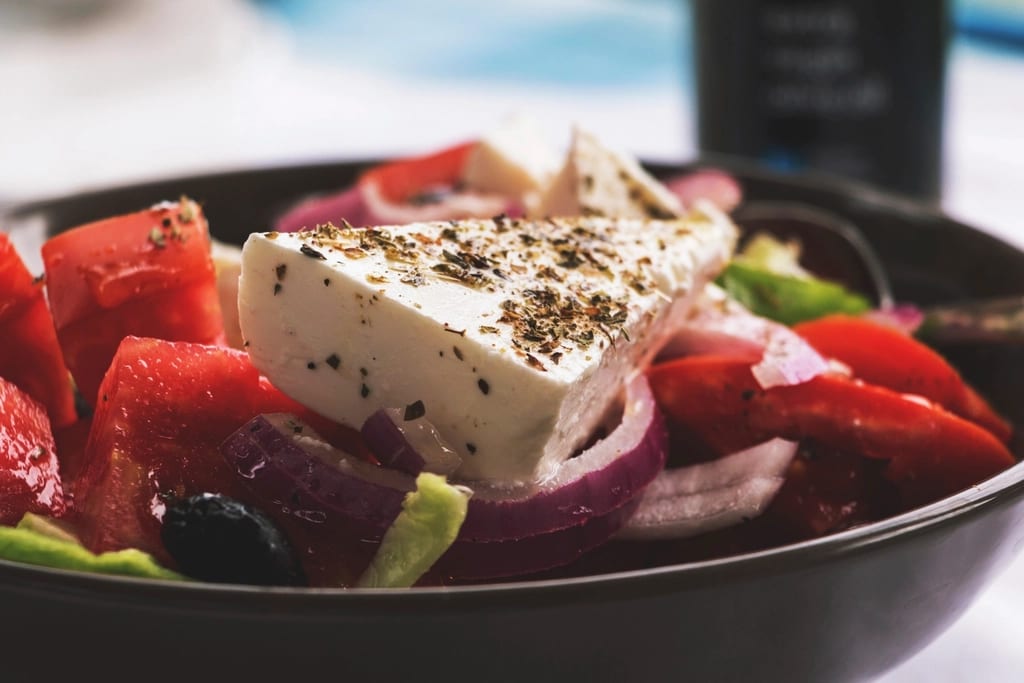 Easy
Greek
Classic Greek Salad
- Preparation time
- 10 min prep
- Cooking time
- 0 min cook
No reviews yetTotal time 10 minMedium
Italian
Creamy Mushroom Risotto
- Preparation time
- 10 min prep
- Cooking time
- 30 min cook
No reviews yetTotal time 40 min